What we treat?
What we treat?
What we treat?
When surgery isn't the only answer. Restoring spinal stability before degeneration dictates your mobility.
When surgery isn't the only answer.
Restoring spinal stability before degeneration
dictates your mobility.
When surgery isn't the only answer. Restoring spinal stability
before degeneration dictates your mobility.
SPINE & TREATMENT CONDITIONS
SPINE & TREATMENT CONDITIONS
What we treat?
What we treat?
What we treat?
When surgery isn't the only answer. Restoring spinal stability before degeneration dictates your mobility.
When surgery isn't the only answer.
Restoring spinal stability before degeneration
dictates your mobility.
When surgery isn't the only answer. Restoring spinal stability
before degeneration dictates your mobility.

Spine & Disc
Conditions
Spine & Disc
Conditions
Spine & Disc
Conditions

Sports Injuries &
Musculoskeletal
Sports Injuries &
Musculoskeletal
Sports Injuries &
Musculoskeletal

Chronic Pain
Syndromes
Chronic Pain
Syndromes
Chronic Pain
Syndromes

Stroke & Neurological
Recovery
Stroke & Neurological
Recovery
Stroke & Neurological
Recovery

Peripheral Neuropathy & Nerve Dysfunction
Peripheral Neuropathy & Nerve Dysfunction
Peripheral Neuropathy & Nerve Dysfunction

Gastrointestinal & Metabolic Health
Gastrointestinal & Metabolic Health
Gastrointestinal & Metabolic Health

Autoimmune support
Autoimmune support
Autoimmune support

Immune Optimization & Cellular Detoxification
Immune Optimization & Cellular Detoxification
Immune Optimization
& Cellular
Detoxification

Hormonal Health & Intimate Wellness
Hormonal Health & Intimate Wellness
Hormonal Health
& Intimate Wellness

Anti-Aging & Regenerative Aesthetics
Anti-Aging & Regenerative Aesthetics
Anti-Aging & Regenerative Aesthetics
SPINE & DISC CONDITIONS
Spine & Disc Condition
Spine & Disc Condition
Spine & Disc Condition
When surgery isn't the only answer. Restoring stability and mobility before
degeneration dictates the outcome.
When surgery isn't the only answer.
Restoring spinal stability before degeneration
dictates your mobility.
When surgery isn't the only answer. Restoring spinal stability
before degeneration dictates your mobility.

THE PROBLEM
Back and neck pain is rarely one thing.
Back and neck pain is rarely one thing.
Back and neck pain is rarely one thing.
Disc strain, nerve irritation, joint inflammation, and muscle guarding usually combine. Most spinal conditions don't require surgery. They require the right environment for the body to repair, and a plan that targets the full system, not just the pain site.
Disc strain, nerve irritation, joint inflammation, and muscle guarding usually combine. Most spinal conditions don't require surgery. They require the right environment for the body to repair, and a plan that targets the full system, not just the pain site.
Disc strain, nerve irritation, joint inflammation, and muscle guarding usually combine. Most spinal conditions don't require surgery. They require the right environment for the body to repair, and a plan that targets the full system, not just the pain site.
THE SCIENCE
THE SCIENCE
Discs have almost no blood supply, which is why they heal poorly. MSC
therapy reduces pro-inflammatory cytokines, stimulates matrix regeneration, and supports annular repair.
Oehme et al., Current Stem Cell Research & Therapy, 2015
Discs have almost no blood supply, which is why they heal poorly. MSC therapy reduces pro-inflammatory cytokines, stimulates matrix regeneration, and supports annular repair.
Oehme et al., Current Stem Cell Research & Therapy, 2015
Discs have almost no blood supply, which is why they heal poorly. MSC therapy reduces pro-inflammatory cytokines, stimulates matrix regeneration, and supports annular repair.
Oehme et al., Current Stem Cell Research & Therapy, 2015
COMMON PATTERNS WE SUPPORT
What we typically see.
Disc Bulge & Herniation
A protruding disc irritates nearby nerves, causing localized or radiating pain.
A protruding disc irritates nearby nerves, causing localized or radiating pain.
Degenerative Disc Changes
Discs lose hydration and height with age, driving stiffness and flare cycles.
Discs lose hydration and height with age, driving stiffness and flare cycles.
Sciatica & Nerve Irritation
Burning, tingling, or shooting pain down the leg from nerve compression.
Burning, tingling, or shooting pain down the leg from nerve compression.
Facet Joint Irritation
Strain or arthritic change inflames the small stabilizing joints.
Strain or arthritic change inflames the small stabilizing joints.
ROOT CAUSES
o Repetitive load: sitting, lifting, twisting
o Poor movement mechanics, limited mobility
o Deconditioning: less strength, more strain
o Inflammation amplified by poor sleep and stress
o Repetitive load: sitting, lifting, twisting
o Poor movement mechanics, limited mobility
o Deconditioning: less strength, more strain
o Inflammation amplified by poor sleep and stress
o Repetitive load: sitting, lifting, twisting
o Poor movement mechanics, limited mobility
o Deconditioning: less strength, more strain
o Inflammation amplified by poor sleep and stress
SYMPTOMS
o Persistent neck or low back ache
o Stiffness after sitting, driving, or waking
o Pain with bending, lifting, or rotation
o Radiating tingling or numbness into a limb
o Persistent neck or low back ache
o Stiffness after sitting, driving, or waking
o Pain with bending, lifting, or rotation
o Radiating tingling or numbness into a limb
o Persistent neck or low back ache
o Stiffness after sitting, driving, or waking
o Pain with bending, lifting, or rotation
o Radiating tingling or numbness into a limb
Seek urgent care: loss of bowel or bladder control, saddle numbness, progressive limb weakness, or fever with severe spine pain.
Seek urgent care: loss of bowel or bladder control, saddle numbness, progressive limb weakness, or fever with severe spine pain.
Seek urgent care: loss of bowel or bladder control, saddle numbness, progressive limb weakness, or fever with severe spine pain.
THE AVÉYA APPROACH
Targeted. Sequenced. Physician-directed.
Targeted. Sequenced. Physician-directed.
01
01
Calm Irritation
Reduce inflammatory load, support circulation, and settle the nervous system's threat response.
Reduce inflammatory load, support circulation, and settle the nervous system's threat response.
02
02
Restore Mobility
The spine takes excess load when hips and thoracic spine don't move well. We address the system, not the symptom.
The spine takes excess load when hips and thoracic spine don't move well. We address the system, not the symptom.
03
03
Rebuild Strength & Stability
Strengthening the core, glutes, and postural chains gives the spine the support it needs.
Strengthening the core, glutes, and postural chains gives the spine the support it needs.
04
04
Upgrade Recovery Capacity
Sleep, inflammation control, and nutrition decide whether progress holds.
Sleep, inflammation control, and nutrition decide whether progress holds.
WHAT PROGRESS FEELS LIKE
Improvement happens in stages.
Improvement happens in stages.
Improvement happens in stages.
o Better sleep and less background ache
o Fewer sharp flares with daily activity
o Improved mobility and confidence in movement
o Greater tolerance for walking and long days
o Better sleep and less background ache
o Fewer sharp flares with daily activity
o Improved mobility and confidence in movement
o Greater tolerance for walking and long days
o Better sleep and less background ache
o Fewer sharp flares with daily activity
o Improved mobility and confidence in movement
o Greater tolerance for walking and long days
FAQs
Frequently asked questions
Is a herniated disc permanent?
Discs can change over time. Symptoms often improve significantly as inflammation settles and stability returns.
Do I need surgery?
Most cases improve without surgery. Certain patterns — progressive weakness, severe nerve compromise — require specialist evaluation.
Should I rest completely?
Short rest during a flare can help. Prolonged inactivity worsens stiffness and deconditioning.
FAQs
Frequently asked questions
Is a herniated disc permanent?
Discs can change over time. Symptoms often improve significantly as inflammation settles and stability returns.
Do I need surgery?
Most cases improve without surgery. Certain patterns — progressive weakness, severe nerve compromise — require specialist evaluation.
Should I rest completely?
Short rest during a flare can help. Prolonged inactivity worsens stiffness and deconditioning.
FAQs
Frequently asked questions
Is a herniated disc permanent?
Discs can change over time. Symptoms often improve significantly as inflammation settles and stability returns.
Do I need surgery?
Most cases improve without surgery. Certain patterns — progressive weakness, severe nerve compromise — require specialist evaluation.
Should I rest completely?
Short rest during a flare can help. Prolonged inactivity worsens stiffness and deconditioning.
WHAT WE TREAT . SPORTS
WHAT WE TREAT . SPORTS
Sports Injuries & Musculoskeletal
Recovery
Sports Injuries & Musculoskeletal
Recovery
Sports Injuries & Musculoskeletal
Recovery
Precision tissue repair with the objective of full structural recovery, not temporary relief.
When surgery isn't the only answer. Restoring stability and mobility before degeneration
dictates the outcome.

THE PROBLEM
THE PROBLEM
Injuries don't just hurt. They interrupt everything.
Injuries don't just hurt. They interrupt everything.
Tendons, ligaments, and cartilage heal slowly because of their limited blood supply and low cell turnover. Standard injury management eases symptoms but does not meaningfully accelerate the underlying biological repair.
Tendons, ligaments, and cartilage heal slowly because of their limited blood supply and low cell turnover. Standard injury management eases symptoms but does not meaningfully accelerate the underlying biological repair.
THE SCIENCE
THE SCIENCE
THE SCIENCE
PRP concentrates the body's own growth factors (PDGF, TGF-β, IGF-1) at the injury site, accelerating collagen synthesis. MSC therapy reduces inflammation and supports angiogenesis for structural repair.
Andia & Maffulli, Nature Reviews Rheumatology, 2013
PRP concentrates the body's own growth factors (PDGF, TGF-β, IGF-1) at the injury site, accelerating collagen synthesis. MSC therapy reduces inflammation and supports angiogenesis for structural repair.
Andia & Maffulli, Nature Reviews Rheumatology, 2013
INJURY TYPES
Acute or overuse.
Acute Injuries
A sudden event: ankle sprain, hamstring strain, shoulder tweak, impact injury.
Overuse Injuries
Building over time: tendinopathy, runner's knee, rotator cuff irritation, shin splints, plantar fascia pain.
WHY INJURIES HAPPEN
o Training spikes: too much, too soon
o Inadequate recovery: sleep debt, travel, stress
o Strength imbalances create compensation patterns
o Mobility restrictions send force where it shouldn't go
o Training spikes: too much, too soon
o Inadequate recovery: sleep debt, travel, stress
o Strength imbalances create compensation patterns
o Mobility restrictions send force where it shouldn't go
o Training spikes: too much, too soon
o Inadequate recovery: sleep debt, travel, stress
o Strength imbalances create compensation patterns
o Mobility restrictions send force where it shouldn't go
SYMPTOMS TO WATCH
SYMPTOMS TO WATCH
o Pain during activity or worse after training
o Stiffness that eases with warm-up, returns later
o Swelling or a full joint feeling
o Instability, weakness, or fear of certain movements
o Pain during activity or worse after training
o Stiffness that eases with warm-up, returns later
o Swelling or a full joint feeling
o Instability, weakness, or fear of certain movements
Seek urgent care: inability to bear weight, visible deformity, suspected fracture or rupture, progressive numbness, or a locked joint.
Seek urgent care: inability to bear weight, visible deformity, suspected fracture or rupture, progressive numbness, or a locked joint.
THE AVÉYA APPROACH
Four phases. One objective: full structural recovery.
Four phases. One objective: full structural recovery.
01
01
Calm Irritation
Reduce local inflammation, support tissue quality, and let protective fear settle.
Reduce local inflammation, support tissue quality, and let protective fear settle.
02
02
Improve Tissue Quality
Support collagen remodeling, circulation, and the repair environment.
Support collagen remodeling, circulation, and the repair environment.
03
03
Rebuild Mechanics & Stability
Address the movement patterns and strength deficits that allowed the injury.
Address the movement patterns and strength deficits that allowed the injury.
04
04
Return to Performance
Mobility to strength to power to sport capacity. Each stage tested before advancing.
Mobility to strength to power to sport capacity. Each stage tested before advancing.
WHAT PROGRESS FEELS LIKE
Recovery you can measure.
Recovery you can measure.
o Confidence under fatigue
o Strength symmetry between sides
o Stability through change of direction
o Tolerance to repeated training sessions
o Confidence under fatigue
o Strength symmetry between sides
o Stability through change of direction
o Tolerance to repeated training sessions
FAQs
Frequently asked questions
Can I keep training?
Sometimes — if load is modified and pain stays within safe limits.
How long does recovery take?
Depends on severity, tissue involved, and chronicity. We establish realistic timelines after your initial assessment.
Can relief be guaranteed?
No. We focus on improving the recovery environment and building resilience.
FAQs
Frequently asked questions
Can I keep training?
Sometimes — if load is modified and pain stays within safe limits.
How long does recovery take?
Depends on severity, tissue involved, and chronicity. We establish realistic timelines after your initial assessment.
Can relief be guaranteed?
No. We focus on improving the recovery environment and building resilience.
FAQs
Frequently asked questions
Can I keep training?
Sometimes — if load is modified and pain stays within safe limits.
How long does recovery take?
Depends on severity, tissue involved, and chronicity. We establish realistic timelines after your initial assessment.
Can relief be guaranteed?
No. We focus on improving the recovery environment and building resilience.
WHAT WE TREAT . CHRONIC PAIN
WHAT WE TREAT . CHRONIC PAIN
Chronic Pain Syndromes
Chronic Pain Syndromes
Chronic Pain Syndromes
Targeting the biological drivers of persistent pain to restore functional control, not just manage symptoms.
When surgery isn't the only answer. Restoring stability and mobility before degeneration
dictates the outcome.

THE PROBLEM
THE PROBLEM
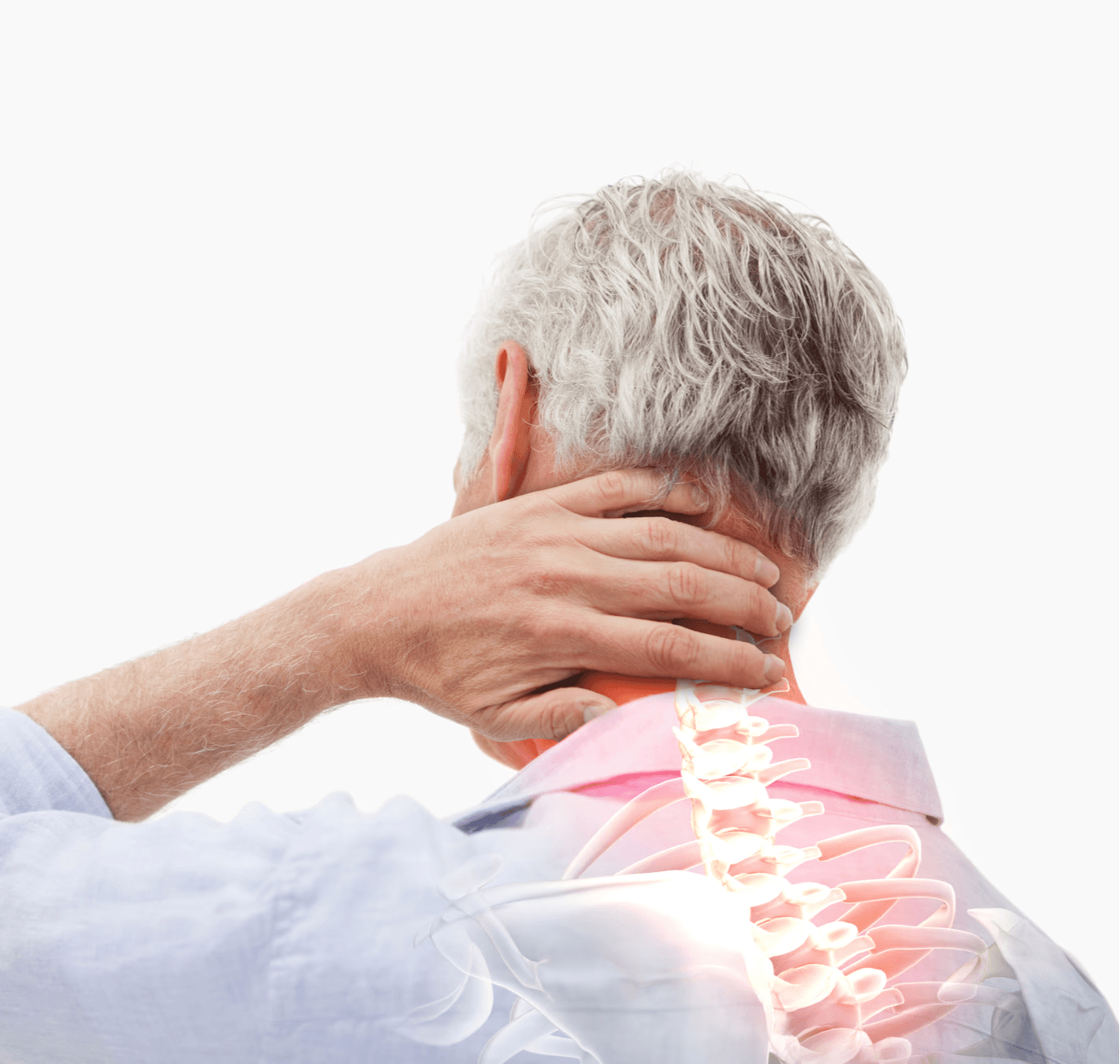
Chronic pain is a condition in its own right.
Chronic pain is a condition in its own right.
Pain lasting more than three months is not merely a symptom. It involves measurable changes to the nervous system, immune response, and inflammatory signalling that standard pain management does not address at their source.
Pain lasting more than three months is not merely a symptom. It involves measurable changes to the nervous system, immune response, and inflammatory signalling that standard pain management does not address at their source.
THE SCIENCE
THE SCIENCE
THE SCIENCE
Chronic pain involves central sensitization and persistent low-grade inflammation driven by IL-6, IL-1β, and TNF-α. MSC therapies downregulate these cytokines, while IV anti-inflammatory protocols help reset the systemic environment.
Woolf, Pain, 2011 · Wang et al., Pain Medicine, 2020
Chronic pain involves central sensitization and persistent low-grade inflammation driven by IL-6, IL-1β, and TNF-α. MSC therapies downregulate these cytokines, while IV anti-inflammatory protocols help reset the systemic environment.
Woolf, Pain, 2011 · Wang et al., Pain Medicine, 2020
Chronic pain involves central sensitization and persistent low-grade inflammation driven by IL-6, IL-1β, and TNF-α. MSC therapies downregulate these cytokines, while IV anti-inflammatory protocols help reset the systemic environment.
Woolf, Pain, 2011 · Wang et al., Pain Medicine, 2020
COMMON PATTERNS
What we typically see?
Fibromyalgia
Widespread pain, fatigue, sleep disruption, and flare cycles. A central sensitization condition.
Neuropathic Pain
Burning, tingling, electric sensations, and hypersensitivity from altered nerve signaling.
Myofascial Pain
Trigger points, muscle guarding, and referred pain patterns.
WHY IT PERSISTS
o Nervous system sensitization: the pain signal stays switched on
o Poor sleep: every lost hour raises pain sensitivity
o Stress physiology: cortisol and inflammatory load amplify signals
o Boom-and-bust cycles: overexertion followed by crash
o Nervous system sensitization: the pain signal stays switched on
o Poor sleep: every lost hour raises pain sensitivity
o Stress physiology: cortisol and inflammatory load amplify signals
o Boom-and-bust cycles: overexertion followed by crash
o Nervous system sensitization: the pain signal stays switched on
o Poor sleep: every lost hour raises pain sensitivity
o Stress physiology: cortisol and inflammatory load amplify signals
o Boom-and-bust cycles: overexertion followed by crash
Seek medical evaluation: progressive weakness, severe neurological symptoms, chest pain, sudden severe headache, or fever with systemic symptoms.
Seek medical evaluation: progressive weakness, severe neurological symptoms, chest pain, sudden severe headache, or fever with systemic symptoms.
THE AVÉYA APPROACH
Support the system. Rebuild the baseline.
Four phases. One objective: full structural recovery.
01
01
Calm Pain Pathways
Reduce inflammatory and nervous system load, and downregulate the threat response.
Reduce inflammatory and nervous system load, and downregulate the threat response.
02
02
Improve Circulation & Recovery
Better oxygenation and perfusion create the conditions for the system to reset.
Better oxygenation and perfusion create the conditions for the system to reset.
03
03
Release Guarding & Restore Mobility
Gentle, paced movement. Consistency over intensity.
Gentle, paced movement. Consistency over intensity.
04
04
Rebuild Daily Energy & Function
Avoid boom-and-bust. Build sustainable capacity, one layer at a time.
Avoid boom-and-bust. Build sustainable capacity, one layer at a time.
WHAT PROGRESS FEELS LIKE
Gradual. Real. Meaningful.
Gradual. Real. Meaningful.
o More stable energy across the day
o Better sleep depth and morning function
o Reduced flare intensity and duration
o A greater sense of control over your biology
o More stable energy across the day
o Better sleep depth and morning function
o Reduced flare intensity and duration
o A greater sense of control over your biology
FAQs
Frequently asked questions
Why does it hurt if scans look normal?
Pain sensitivity, inflammation signalling and nervous system regulation can drive symptoms beyond structural findings.
Is it “all in my head”?
No. Chronic pain involves measurable changes in nerve and immune signalling.
Can relief be guaranteed?
No. We focus on improving the recovery environment and building resilience.
FAQs
Frequently asked questions
Why does it hurt if scans look normal?
Pain sensitivity, inflammation signalling and nervous system regulation can drive symptoms beyond structural findings.
Is it “all in my head”?
No. Chronic pain involves measurable changes in nerve and immune signalling.
Can relief be guaranteed?
No. We focus on improving the recovery environment and building resilience.
FAQs
Frequently asked questions
Why does it hurt if scans look normal?
Pain sensitivity, inflammation signalling and nervous system regulation can drive symptoms beyond structural findings.
Is it “all in my head”?
No. Chronic pain involves measurable changes in nerve and immune signalling.
Can relief be guaranteed?
No. We focus on improving the recovery environment and building resilience.
WHAT WE TREAT . NEUROLOGICAL
WHAT WE TREAT . NEUROLOGICAL
Stroke & Neurological Recovery
Stroke & Neurological Recovery
Stroke & Neurological Recovery
Supporting neurological restoration and functional recovery, focused on what biology can still rebuild.
When surgery isn't the only answer. Restoring stability and mobility before degeneration
dictates the outcome.


THE PROBLEM
THE PROBLEM
Conventional rehab teaches compensation. We support repair.
Conventional rehab teaches compensation. We support repair.
Recovery after stroke or spinal cord injury is limited by the central nervous system's restricted regenerative capacity. Standard rehabilitation reroutes surviving pathways. Regenerative medicine aims to support the repair environment directly.
Recovery after stroke or spinal cord injury is limited by the central nervous system's restricted regenerative capacity. Standard rehabilitation reroutes surviving pathways. Regenerative medicine aims to support the repair environment directly.
THE SCIENCE
THE SCIENCE
THE SCIENCE
MSCs and neural-lineage cells home to sites of injury, releasing BDNF, NGF, and VEGF to support angiogenesis, reduce neuroinflammation, and create conditions for neural reorganization.
Savitz et al., Stroke, 2014 · Ziganshina et al., Cochrane, 2016
MSCs and neural-lineage cells home to sites of injury, releasing BDNF, NGF, and VEGF to support angiogenesis, reduce neuroinflammation, and create conditions for neural reorganization.
Savitz et al., Stroke, 2014 · Ziganshina et al., Cochrane, 2016
MSCs and neural-lineage cells home to sites of injury, releasing BDNF, NGF, and VEGF to support angiogenesis, reduce neuroinflammation, and create conditions for neural reorganization.
Savitz et al., Stroke, 2014 · Ziganshina et al., Cochrane, 2016
COMMON CHALLENGES
What recovery looks like in practice.
Mobility
Weakness, spasticity, and balance changes affecting movement.
Coordination
Fine motor skills and confidence in walking.
Cognitive Stamina
Brain fog, processing speed, and memory.
Fatigue
Disproportionate to exertion, often the primary limiting factor.
Neuroplasticity
The brain rewires through repetition and the right environment
The nervous system reorganizes through consistent, specific practice, supported by circulation, inflammation control, sleep quality, and a regulated nervous system. The recovery environment matters as much as the rehabilitation schedule.
The nervous system reorganizes through consistent, specific practice, supported by circulation, inflammation control, sleep quality, and a regulated nervous system. The recovery environment matters as much as the rehabilitation schedule.
Seek emergency care: new or worsening weakness, suspected stroke warning signs, seizures, severe headache, or new bowel or bladder change
Neuroplasticity
The brain rewires through repetition and the right environment
The nervous system reorganizes through consistent, specific practice, supported by circulation, inflammation control, sleep quality, and a regulated nervous system. The recovery environment matters as much as the rehabilitation schedule.
Seek emergency care: new or worsening weakness, suspected stroke warning signs, seizures, severe headache, or new bowel or bladder change
THE AVÉYA APPROACH
Optimize the recovery environment.
Four phases. One objective: full structural recovery.
01
01
Calm Inflammation
Systemic inflammation competes with neuroplasticity. Reducing it creates better conditions for the brain to reorganize.
Systemic inflammation competes with neuroplasticity. Reducing it creates better conditions for the brain to reorganize.
02
02
Support Circulation & Tissue Readiness
Better oxygenation enhances nutrient delivery to recovering neural tissue.
Better oxygenation enhances nutrient delivery to recovering neural tissue.
03
03
Improve Rehabilitation Tolerance
We build stamina and regulation so your rehab can do its work.
We build stamina and regulation so your rehab can do its work.
WHAT PROGRESS FEELS LIKE
Measured in meaningful milestones.
Measured in meaningful milestones.
o More stable energy and better sleep
o Improved tolerance for rehabilitation sessions
o Greater confidence in walking, standing, and daily tasks
o Improved cognitive stamina and mood steadiness
o More stable energy and better sleep
o Improved tolerance for rehabilitation sessions
o Greater confidence in walking, standing, and daily tasks
o Improved cognitive stamina and mood steadiness
o More stable energy and better sleep
o Improved tolerance for rehabilitation sessions
o Greater confidence in walking, standing, and daily tasks
o Improved cognitive stamina and mood steadiness
FAQs
Frequently asked questions
Why does it hurt if scans look normal?
Pain sensitivity, inflammation signalling and nervous system regulation can drive symptoms beyond structural findings.
Is it “all in my head”?
No. Chronic pain involves measurable changes in nerve and immune signalling.
Can relief be guaranteed?
No. We focus on improving the recovery environment and building resilience.
FAQs
Frequently asked questions
Why does it hurt if scans look normal?
Pain sensitivity, inflammation signalling and nervous system regulation can drive symptoms beyond structural findings.
Is it “all in my head”?
No. Chronic pain involves measurable changes in nerve and immune signalling.
Can relief be guaranteed?
No. We focus on improving the recovery environment and building resilience.
FAQs
Frequently asked questions
Why does it hurt if scans look normal?
Pain sensitivity, inflammation signalling and nervous system regulation can drive symptoms beyond structural findings.
Is it “all in my head”?
No. Chronic pain involves measurable changes in nerve and immune signalling.
Can relief be guaranteed?
No. We focus on improving the recovery environment and building resilience.
WHAT WE TREAT . NERVE
WHAT WE TREAT . NERVE
Peripheral Neuropathy & Nerve Dysfunction
Peripheral Neuropathy & Nerve Dysfunction
Peripheral Neuropathy & Nerve Dysfunction
Addressing nerve damage at its biological source, supporting regeneration, signal integrity, and daily function.
Addressing nerve damage at its biological source, supporting regeneration, signal integrity, and daily function.

THE PROBLEM
THE PROBLEM
Conventional care suppresses symptoms. The nerve damage goes unaddressed.
Conventional care suppresses symptoms. The nerve damage goes unaddressed.
Neuropathy from diabetes, autoimmune conditions, chemotherapy, or trauma causes numbness, pain, weakness, and loss of sensation. Standard treatment mostly manages symptoms while the underlying nerve degeneration continues.
Neuropathy from diabetes, autoimmune conditions, chemotherapy, or trauma causes numbness, pain, weakness, and loss of sensation. Standard treatment mostly manages symptoms while the underlying nerve degeneration continues.
THE SCIENCE
THE SCIENCE
THE SCIENCE
Peripheral nerves can regenerate, but slowly and incompletely without support. MSC-derived exosomes and growth factors (NGF, GDNF) support Schwann cell activity, axonal regrowth, and remyelination.
Ching & Kingham, Neural Regeneration Research, 2015
Peripheral nerves can regenerate, but slowly and incompletely without support. MSC-derived exosomes and growth factors (NGF, GDNF) support Schwann cell activity, axonal regrowth, and remyelination.
Ching & Kingham, Neural Regeneration Research, 2015
Peripheral nerves can regenerate, but slowly and incompletely without support. MSC-derived exosomes and growth factors (NGF, GDNF) support Schwann cell activity, axonal regrowth, and remyelination.
Ching & Kingham, Neural Regeneration Research, 2015
COMMON CAUSES
What drives nerve dysfunction.
What drives nerve dysfunction.
Metabolic & Circulatory
Blood sugar dysregulation, insulin resistance, and circulation challenges. The most common drivers.
Nutrient-Related
B12, B vitamins, vitamin D, and magnesium deficiencies can impair nerve function.
Mechanical Entrapment
Carpal tunnel, ulnar nerve compression, sciatic irritation.
Inflammatory & Immune
Autoimmune patterns and post-viral sensitivity.
Medication & Toxin
Chemotherapy-induced neuropathy, alcohol, certain long-term medications.
SYMPTOMS
o Numbness, tingling, or burning, often beginning in toes or fingertips
o Hypersensitivity to touch or temperature
o Cramping and weakness in hands or feet
o Balance instability and unsteady walking
o Symptoms that worsen at night
o Numbness, tingling, or burning, often beginning in toes or fingertips
o Hypersensitivity to touch or temperature
o Cramping and weakness in hands or feet
o Balance instability and unsteady walking
o Symptoms that worsen at night
Seek urgent evaluation: sudden foot drop, rapid worsening, new bowel or bladder changes, or open foot wounds that will not heal.
SYMPTOMS
What peripheral neuropathy feels like.
o Numbness, tingling, or burning, often beginning in toes or fingertips
o Hypersensitivity to touch or temperature
o Cramping and weakness in hands or feet
o Balance instability and unsteady walking
o Symptoms that worsen at night
Seek urgent evaluation: sudden foot drop, rapid worsening, new bowel or bladder changes, or open foot wounds that will not heal.
THE AVÉYA APPROACH
Support the nerve. Restore the function.
Support the nerve. Restore the function.
01
01
Support Circulation & Oxygen Delivery
Support Circulation & Oxygen Delivery
Improving vascular health and microcirculation creates better conditions for nerve recovery.
Improving vascular health and microcirculation creates better conditions for nerve recovery.
02
02
Calm Sensitivity & Flare Cycles
Reduce the inflammatory and metabolic load that sustains nerve hypersensitivity.
Reduce the inflammatory and metabolic load that sustains nerve hypersensitivity.
03
03
Strengthen the Recovery Foundation
Strengthen the Recovery Foundation
Sleep, hydration, nutrition, and stress management all influence nerve health.
Sleep, hydration, nutrition, and stress management all influence nerve health.
WHAT PROGRESS CAN LOOK LIKE
Gradual. Measurable. Meaningful.
Gradual. Measurable. Meaningful.
o Better sleep, with less burning and tingling at night
o Improved walking confidence and balance
o Reduced intensity and frequency of flares
o More stable energy and daily comfort
o Better sleep, with less burning and tingling at night
o Improved walking confidence and balance
o Reduced intensity and frequency of flares
o More stable energy and daily comfort
o Better sleep, with less burning and tingling at night
o Improved walking confidence and balance
o Reduced intensity and frequency of flares
o More stable energy and daily comfort
FAQs
Frequently asked questions
Why does it hurt if scans look normal?
Pain sensitivity, inflammation signalling and nervous system regulation can drive symptoms beyond structural findings.
Is it “all in my head”?
No. Chronic pain involves measurable changes in nerve and immune signalling.
Can relief be guaranteed?
No. We focus on improving the recovery environment and building resilience.
FAQs
Frequently asked questions
Why does it hurt if scans look normal?
Pain sensitivity, inflammation signalling and nervous system regulation can drive symptoms beyond structural findings.
Is it “all in my head”?
No. Chronic pain involves measurable changes in nerve and immune signalling.
Can relief be guaranteed?
No. We focus on improving the recovery environment and building resilience.
FAQs
Frequently asked questions
Why does it hurt if scans look normal?
Pain sensitivity, inflammation signalling and nervous system regulation can drive symptoms beyond structural findings.
Is it “all in my head”?
No. Chronic pain involves measurable changes in nerve and immune signalling.
Can relief be guaranteed?
No. We focus on improving the recovery environment and building resilience.
WHAT WE TREAT . GUT & METABOLIC
WHAT WE TREAT . GUT & METABOLIC
Gastrointestinal & Metabolic Health
Gastrointestinal & Metabolic Health
Gastrointestinal & Metabolic Health
Restoring gut integrity and metabolic function, for systemic energy, immunity, and long-term biological balance.
Restoring gut integrity and metabolic function, for systemic energy, immunity, and long-term biological balance.

THE PROBLEM
THE PROBLEM
The gut is not just a digestive organ.
The gut is not just a digestive organ.
It is a major regulator of systemic inflammation and a principal determinant of energy, mood, and metabolic health. When gut integrity is compromised, the effects are felt system-wide.
It is a major regulator of systemic inflammation and a principal determinant of energy, mood, and metabolic health. When gut integrity is compromised, the effects are felt system-wide.
THE SCIENCE
THE SCIENCE
THE SCIENCE
Conditions like IBD, leaky gut, and dysbiosis involve breakdown of the intestinal barrier and mucosal inflammation driven by TNF-α, IL-6, and IL-17. MSC therapy has shown significant immunomodulatory effects on gut mucosa.
Forbes et al., Clinical Gastroenterology & Hepatology, 2014
Conditions like IBD, leaky gut, and dysbiosis involve breakdown of the intestinal barrier and mucosal inflammation driven by TNF-α, IL-6, and IL-17. MSC therapy has shown significant immunomodulatory effects on gut mucosa.
Forbes et al., Clinical Gastroenterology & Hepatology, 2014
Conditions like IBD, leaky gut, and dysbiosis involve breakdown of the intestinal barrier and mucosal inflammation driven by TNF-α, IL-6, and IL-17. MSC therapy has shown significant immunomodulatory effects on gut mucosa.
Forbes et al., Clinical Gastroenterology & Hepatology, 2014
COMMON CONDITIONS
What we typically see.
What drives nerve dysfunction.
IBS
Bloating, pain, constipation, diarrhea, and cramping. Often stress and food-triggered.
Gastritis & Reflux
Influenced by diet, stress, alcohol, medications, and sometimes H. pylori.
IBD (Crohn's & UC)
Requires physician-led specialist management. Our support improves recovery capacity alongside medical care.
WHY SYMPTOMS PERSIST
The drivers.
o Chronic mucosal inflammation
o Microbiome disruption from antibiotics, travel, processed foods
o Motility changes, gut moving too fast or too slow
o Stress physiology, the gut-brain axis responds directly to cortisol
o Nutrient depletion, malabsorption compounds the issue
o Chronic mucosal inflammation
o Microbiome disruption from antibiotics, travel, processed foods
o Motility changes, gut moving too fast or too slow
o Stress physiology, the gut-brain axis responds directly to cortisol
o Nutrient depletion, malabsorption compounds the issue
Seek medical evaluation: blood or black stools, unexplained weight loss, persistent fever, severe abdominal pain, nightly diarrhea, or persistent vomiting.
WHY SYMPTOMS PERSIST
The driver
o Chronic mucosal inflammation
o Microbiome disruption from antibiotics, travel, processed foods
o Motility changes, gut moving too fast or too slow
o Stress physiology, the gut-brain axis responds directly to cortisol
o Nutrient depletion, malabsorption compounds the issue
Seek medical evaluation: blood or black stools, unexplained weight loss, persistent fever, severe abdominal pain, nightly diarrhea, or persistent vomiting.
THE AVÉYA APPROACH
Calm. Restore. Regulate.
01
01
Calm Irritation
Calm Irritation
Reduce mucosal inflammation and the immune triggers that sustain it.
Reduce mucosal inflammation and the immune triggers that sustain it.
02
02
Support Microbiome Resilience
Targeted nutritional and biological support to restore gut flora balance and barrier integrity.
Targeted nutritional and biological support to restore gut flora balance and barrier integrity.
03
03
Regulate the Gut-Brain Axis
Regulate the Gut-Brain Axis
Stress physiology is a primary driver of gut sensitivity. Nervous system regulation is part of every gut program.
Stress physiology is a primary driver of gut sensitivity. Nervous system regulation is part of every gut program.
WHAT PROGRESS CAN LOOK LIKE
Measurable improvements
Measurable improvements
Measurable improvements
o Less bloating and more comfortable digestion
o Steadier mood and energy across the day
o More regularity and reduced flare frequency
o Better sleep and improved morning function
o Less bloating and more comfortable digestion
o Steadier mood and energy across the day
o More regularity and reduced flare frequency
o Better sleep and improved morning function
o Less bloating and more comfortable digestion
o Steadier mood and energy across the day
o More regularity and reduced flare frequency
o Better sleep and improved morning function
FAQs
Frequently asked questions
Why does it hurt if scans look normal?
Pain sensitivity, inflammation signalling and nervous system regulation can drive symptoms beyond structural findings.
Is it “all in my head”?
No. Chronic pain involves measurable changes in nerve and immune signalling.
Can relief be guaranteed?
No. We focus on improving the recovery environment and building resilience.
FAQs
Frequently asked questions
Why does it hurt if scans look normal?
Pain sensitivity, inflammation signalling and nervous system regulation can drive symptoms beyond structural findings.
Is it “all in my head”?
No. Chronic pain involves measurable changes in nerve and immune signalling.
Can relief be guaranteed?
No. We focus on improving the recovery environment and building resilience.
FAQs
Frequently asked questions
Why does it hurt if scans look normal?
Pain sensitivity, inflammation signalling and nervous system regulation can drive symptoms beyond structural findings.
Is it “all in my head”?
No. Chronic pain involves measurable changes in nerve and immune signalling.
Can relief be guaranteed?
No. We focus on improving the recovery environment and building resilience.
WHAT WE TREAT . AUTOIMUNE
WHAT WE TREAT . AUTOIMUNE
Autoimmune & Inflammatory Conditions
Autoimmune & Inflammatory Conditions
Autoimmune & Inflammatory Conditions
Modulating immune dysregulation to reduce inflammatory burden, support stability, and restore biological resilience.
Modulating immune dysregulation to reduce inflammatory burden, support stability, and restore biological resilience.
THE PROBLEM
THE PROBLEM
A targeted approach, beyond broad immune suppression.
A targeted approach, beyond broad immune suppression.
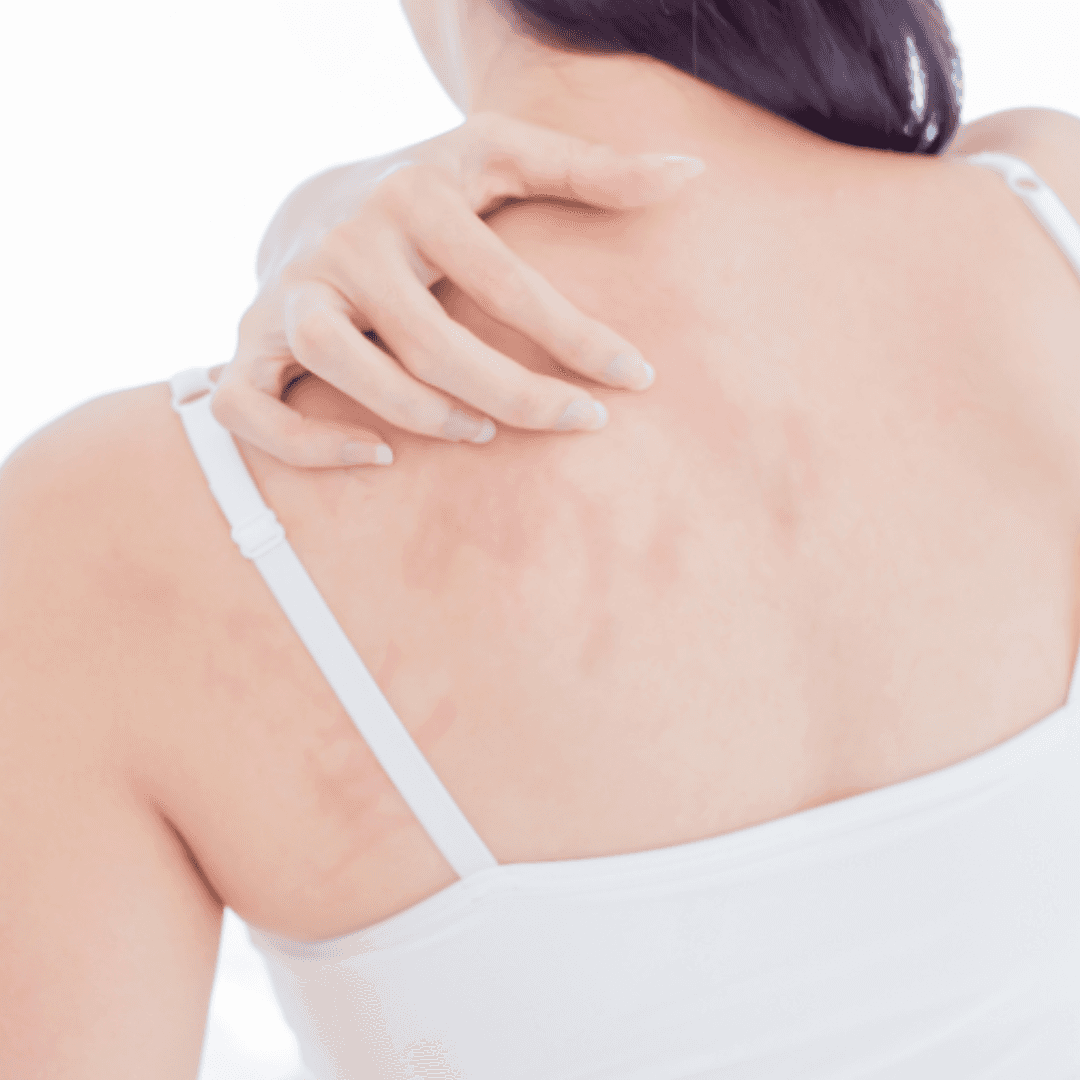
In autoimmune disease, the immune system misdirects its response against the body's own tissue, creating chronic inflammation that progressively damages organs and function. Conventional treatment suppresses immune activity broadly. Regenerative medicine takes a more targeted approach.
In autoimmune disease, the immune system misdirects its response against the body's own tissue, creating chronic inflammation that progressively damages organs and function. Conventional treatment suppresses immune activity broadly. Regenerative medicine takes a more targeted approach.
THE SCIENCE
THE SCIENCE
THE SCIENCE
MSCs are uniquely immunomodulatory. They shift the immune environment from pro-inflammatory Th1/Th17 dominance toward anti-inflammatory Treg and Th2 balance, reducing autoimmune reactivity without global immunosuppression.
Aggarwal & Pittenger, Blood, 2005 · Wang et al., Arthritis & Rheumatism, 2010
MSCs are uniquely immunomodulatory. They shift the immune environment from pro-inflammatory Th1/Th17 dominance toward anti-inflammatory Treg and Th2 balance, reducing autoimmune reactivity without global immunosuppression.
Aggarwal & Pittenger, Blood, 2005 · Wang et al., Arthritis & Rheumatism, 2010
MSCs are uniquely immunomodulatory. They shift the immune environment from pro-inflammatory Th1/Th17 dominance toward anti-inflammatory Treg and Th2 balance, reducing autoimmune reactivity without global immunosuppression.
Aggarwal & Pittenger, Blood, 2005 · Wang et al., Arthritis & Rheumatism, 2010
CONDITIONS WE COMMONLY SUPPORT
Coordinated with your specialist
Coordinated with your specialist.
Rheumatoid Arthritis
Immune activity targets the joint lining, driving inflammation, stiffness, and flare cycles.
Multiple Sclerosis
An immune-mediated condition affecting the CNS. MS clients remain under neurologist care.
Hashimoto's Thyroiditis
Immune activity targets the thyroid, affecting metabolism, energy, and mood.
HOW IT SHOWS UP
It affects far more than one system
o Fatigue and reduced recovery capacity
o Joint and muscle discomfort
o Brain fog and sleep disruption
o Invisible inflammation that flares with stress, infection, travel, or hormonal shifts
o Fatigue and reduced recovery capacity
o Joint and muscle discomfort
o Brain fog and sleep disruption
o Invisible inflammation that flares with stress, infection, travel, or hormonal shifts
Autoimmune support is not about switching the immune system off. It is about building a more regulated, resilient baseline, so your body handles triggers with less volatility. We complement physician-led care, and your specialist remains in charge of diagnosis and medication.
HOW IT SHOWS UP
It affects far more than one system.
o Fatigue and reduced recovery capacity
o Joint and muscle discomfort
o Brain fog and sleep disruption
o Invisible inflammation that flares with stress, infection, travel, or hormonal shifts
Autoimmune support is not about switching the immune system off. It is about building a more regulated, resilient baseline, so your body handles triggers with less volatility. We complement physician-led care, and your specialist remains in charge of diagnosis and medication.
THE AVÉYA APPROACH
Four pillars of support
Four pillars of support
01
01
Reduce Inflammation Load & Improve Recovery
Reduce Inflammation Load & Improve Recovery
Hydration, nutrient status, oxidative stress support, and lifestyle rhythm.
Hydration, nutrient status, oxidative stress support, and lifestyle rhythm.
02
02
Support Nervous System Regulation
Stress physiology amplifies immune signaling. Calming the wired-but-tired pattern is foundational.
Stress physiology amplifies immune signaling. Calming the wired-but-tired pattern is foundational.
03
03
Improve Circulation & Tissue Readiness
Improve Circulation & Tissue Readiness
Better oxygenation supports daily energy and reduces the burden of systemic inflammation.
Better oxygenation supports daily energy and reduces the burden of systemic inflammation.
04
04
Build Flare-Resistant Routines
Build Flare-Resistant Routines
Structure realistic, sustainable routines that protect against common flare drivers.
Structure realistic, sustainable routines that protect against common flare drivers.
WHAT PROGRESS CAN LOOK LIKE
A steadier, more resilient baseline.
A steadier, more resilient baseline.
A steadier, more resilient baseline.
o Reduced flare frequency and intensity
o Faster recovery after triggers
o Improved immune stability and daily energy
o Improved immune stability and daily energy
o Reduced flare frequency and intensity
o Faster recovery after triggers
o Improved immune stability and daily energy
o Improved immune stability and daily energy
o Reduced flare frequency and intensity
o Faster recovery after triggers
o Improved immune stability and daily energy
o Improved immune stability and daily energy
FAQs
Frequently asked questions
Do you replace my specialist or medication plan?
No. We complement physician-led care. Your specialist remains in charge of your diagnosis and medication management.
Can you guarantee fewer flares?
No. We support the internal conditions that influence stability. Many clients experience significant improvement in flare frequency and recovery speed.
Can relief be guaranteed?
No. We focus on improving the recovery environment and building resilience.
FAQs
Frequently asked questions
Do you replace my specialist or medication plan?
No. We complement physician-led care. Your specialist remains in charge of your diagnosis and medication management.
Can you guarantee fewer flares?
No. We support the internal conditions that influence stability. Many clients experience significant improvement in flare frequency and recovery speed.
Can relief be guaranteed?
No. We focus on improving the recovery environment and building resilience.
FAQs
Frequently asked questions
Do you replace my specialist or medication plan?
No. We complement physician-led care. Your specialist remains in charge of your diagnosis and medication management.
Can you guarantee fewer flares?
No. We support the internal conditions that influence stability. Many clients experience significant improvement in flare frequency and recovery speed.
Can relief be guaranteed?
No. We focus on improving the recovery environment and building resilience.
WHAT WE TREAT . IMMUNE & LONGEVITY
WHAT WE TREAT . IMMUNE & LONGEVITY
Immune Optimization & Cellular Detoxification
Immune Optimization & Cellular Detoxification
Immune Optimization & Cellular Detoxification
Strengthening biological defense and clearing accumulated cellular burden, the foundation of healthy ageing.
Strengthening biological defense and clearing accumulated cellular burden, the foundation of healthy ageing.

THE PROBLEM
THE PROBLEM
The immune system ages, and drives ageing.
The immune system ages, and drives ageing.
With age, the immune system becomes less effective at neutralizing threats and more prone to chronic low-grade inflammation. This state, inflammaging, accelerates biological ageing across every organ system. It is measurable, and it is addressable.
With age, the immune system becomes less effective at neutralizing threats and more prone to chronic low-grade inflammation. This state, inflammaging, accelerates biological ageing across every organ system. It is measurable, and it is addressable.
THE SCIENCE
THE SCIENCE
THE SCIENCE
NK cells are the frontline of immune defense, clearing the senescent "zombie cells" that accumulate with age and release the SASP, damaging surrounding tissue and driving systemic ageing.
Coppé et al., PLOS Biology, 2008 · Lopez-Otin et al., Cell, 2013
NK cells are the frontline of immune defense, clearing the senescent "zombie cells" that accumulate with age and release the SASP, damaging surrounding tissue and driving systemic ageing.
Coppé et al., PLOS Biology, 2008 · Lopez-Otin et al., Cell, 2013
NK cells are the frontline of immune defense, clearing the senescent "zombie cells" that accumulate with age and release the SASP, damaging surrounding tissue and driving systemic ageing.
Coppé et al., PLOS Biology, 2008 · Lopez-Otin et al., Cell, 2013
WHAT DEPLETES YOU
Modern life strains the systems that protect you.
Modern life strains the systems that protect you.
o Chronic stress and sleep debt
o Frequent travel and schedule disruption
o Alcohol and ultra-processed food
o Chronic stress and sleep debt
o Frequent travel and schedule disruption
o Alcohol and ultra-processed food
o Chronic stress and sleep debt
o Frequent travel and schedule disruption
o Alcohol and ultra-processed food
o Dehydration and electrolyte imbalance
o High training load without recovery
o Systemic low-grade inflammation
o Dehydration and electrolyte imbalance
o High training load without recovery
o Systemic low-grade inflammation
o Dehydration and electrolyte imbalance
o High training load without recovery
o Systemic low-grade inflammation
True detox is not a crash protocol. It is consistent support of the liver, kidneys, gut, and lymphatic systems that already do the work, given the conditions they need to operate at full capacity.
True detox is not a crash protocol. It is consistent support of the liver, kidneys, gut, and lymphatic systems that already do the work, given the conditions they need to operate at full capacity.
THE AVÉYA APPROACH
Support the systems that already do the work.
Support the systems that already do the work.
01
01
Rehydrate & Restore Mineral Balance
Rehydrate & Restore Mineral Balance
Dehydration is the most common and overlooked driver of fatigue and poor clearance.
Dehydration is the most common and overlooked driver of fatigue and poor clearance.
02
02
Support Antioxidant Capacity
Targeted replenishment of glutathione and other antioxidants supports detox and immune function.
Targeted replenishment of glutathione and other antioxidants supports detox and immune function.
03
03
Support Circulation & Oxygenation
Support Circulation & Oxygenation
Better blood flow improves metabolic efficiency and clearance throughout the body.
Better blood flow improves metabolic efficiency and clearance throughout the body.
04
04
Support Immune Balance
Support Immune Balance
The goal is a well-regulated immune system, not an overstimulated one.
The goal is a well-regulated immune system, not an overstimulated one.
WHAT PROGRESS CAN LOOK LIKE
WHAT PROGRESS LOOK LIKE
Felt before it is measured.
Felt before it is measured.
Felt before it is measured.
o More stable and sustained energy
o Improved clarity and motivation
o Faster recovery after travel and high-demand periods
o Better hydration and skin vitality
o More stable and sustained energy
o Improved clarity and motivation
o Faster recovery after travel and high-demand periods
o Better hydration and skin vitality
o More stable and sustained energy
o Improved clarity and motivation
o Faster recovery after travel and high-demand periods
o Better hydration and skin vitality
FAQs
Frequently asked questions
Why does it hurt if scans look normal?
Pain sensitivity, inflammation signalling and nervous system regulation can drive symptoms beyond structural findings.
Is it “all in my head”?
No. Chronic pain involves measurable changes in nerve and immune signalling.
Can relief be guaranteed?
No. We focus on improving the recovery environment and building resilience.
FAQs
Frequently asked questions
Why does it hurt if scans look normal?
Pain sensitivity, inflammation signalling and nervous system regulation can drive symptoms beyond structural findings.
Is it “all in my head”?
No. Chronic pain involves measurable changes in nerve and immune signalling.
Can relief be guaranteed?
No. We focus on improving the recovery environment and building resilience.
FAQs
Frequently asked questions
Why does it hurt if scans look normal?
Pain sensitivity, inflammation signalling and nervous system regulation can drive symptoms beyond structural findings.
Is it “all in my head”?
No. Chronic pain involves measurable changes in nerve and immune signalling.
Can relief be guaranteed?
No. We focus on improving the recovery environment and building resilience.
WHAT WE TREAT . HORMONAL&INTIMATE
WHAT WE TREAT . HORMONAL&INTIMATE
Hormonal Health & Intimate Wellness
Hormonal Health & Intimate Wellness
Hormonal Health & Intimate Wellness
Rebalancing endocrine function to restore energy, cognitive clarity, physical performance, and intimate wellbeing.
Rebalancing endocrine function to restore energy, cognitive clarity, physical performance, and intimate wellbeing.

THE PROBLEM
THE PROBLEM
Hormonal decline is gradual, measurable, and responsive.
Hormonal decline is gradual, measurable, and responsive.
It affects energy, body composition, cognitive clarity, sleep, libido, and physical performance, through different mechanisms in men and women, and it responds meaningfully to early, precise, individualized intervention.
It affects energy, body composition, cognitive clarity, sleep, libido, and physical performance, through different mechanisms in men and women, and it responds meaningfully to early, precise, individualized intervention.
THE SCIENCE
THE SCIENCE
THE SCIENCE
The hypothalamic-pituitary-gonadal axis regulates testosterone, estrogen, progesterone, and growth hormone. Regenerative approaches work to optimize this axis, not simply replace individual hormone outputs.
The hypothalamic-pituitary-gonadal axis regulates testosterone, estrogen, progesterone, and growth hormone. Regenerative approaches work to optimize this axis, not simply replace individual hormone outputs.
The hypothalamic-pituitary-gonadal axis regulates testosterone, estrogen, progesterone, and growth hormone. Regenerative approaches work to optimize this axis, not simply replace individual hormone outputs.
THREE AREAS OF FOCUS
Individualized by age and sex.
Menopause & Hormonal Balance
Temperature regulation, sleep, mood, metabolism, and recovery capacity.
Sexual Health & Libido
Shaped by sleep, stress, nervous system balance, energy, and circulation.
Men's Performance & Function
A vascular, neurological, and hormonal event. We address the biology, not the symptom.
WHAT IT AFFECTS
More than one system.
More than one system.
o Energy and physical performance
o Body composition and muscle
o Sleep quality and recovery
o Chronic stress and sleep debt
o Frequent travel and schedule disruption
o Alcohol and ultra-processed food
o Energy and physical performance
o Body composition and muscle
o Sleep quality and recovery
o Cognitive clarity and drive
o Mood and motivation
o Libido and intimate wellbeing
o Dehydration and electrolyte imbalance
o High training load without recovery
o Systemic low-grade inflammation
o Cognitive clarity and drive
o Mood and motivation
o Libido and intimate wellbeing
Seek medical evaluation: heavy or abnormal bleeding, severe pelvic pain, unexplained weight loss, or fainting. Erectile dysfunction can be an early signal of cardiovascular disease, seek care if it occurs with chest pain or shortness of breath.
Seek medical evaluation: heavy or abnormal bleeding, severe pelvic pain, unexplained weight loss, or fainting. Erectile dysfunction can be an early signal of cardiovascular disease, seek care if it occurs with chest pain or shortness of breath.
THE AVÉYA APPROACH
Assessed, then optimized.
Assessed, then optimized.
01
01
Comprehensive Endocrine Assessment
Comprehensive Endocrine Assessment
A full hormonal panel and metabolic markers specific to your age, sex, and symptom profile.
A full hormonal panel and metabolic markers specific to your age, sex, and symptom profile.
02
02
Individualized, Physician-Directed Protocol
Built around your biology and objectives. No standardized packages.
Built around your biology and objectives. No standardized packages.
03
03
Optimize the Axis, Not Just Replace
Optimize the Axis, Not Just Replace
Support the system's own regulation rather than substituting single outputs.
Support the system's own regulation rather than substituting single outputs.
04
04
Discreet, Ongoing Management
Discreet, Ongoing Management
Delivered with complete medical confidentiality at every stage.
Delivered with complete medical confidentiality at every stage.
WHAT CHANGES
WHAT PROGRESS LOOK LIKE
Restored, across the board.
Restored, across the board.
Restored, across the board.
o Restored energy and physical performance
o Improved body composition and sleep
o Sharper cognitive clarity
o Enhanced intimate wellbeing, with discretion
o Restored energy and physical performance
o Improved body composition and sleep
o Sharper cognitive clarity
o Enhanced intimate wellbeing, with discretion
o Restored energy and physical performance
o Improved body composition and sleep
o Sharper cognitive clarity
o Enhanced intimate wellbeing, with discretion

FAQs
Frequently asked questions
Why does it hurt if scans look normal?
Pain sensitivity, inflammation signalling and nervous system regulation can drive symptoms beyond structural findings.
Is it “all in my head”?
No. Chronic pain involves measurable changes in nerve and immune signalling.
Can relief be guaranteed?
No. We focus on improving the recovery environment and building resilience.
FAQs
Frequently asked questions
Why does it hurt if scans look normal?
Pain sensitivity, inflammation signalling and nervous system regulation can drive symptoms beyond structural findings.
Is it “all in my head”?
No. Chronic pain involves measurable changes in nerve and immune signalling.
Can relief be guaranteed?
No. We focus on improving the recovery environment and building resilience.
FAQs
Frequently asked questions
Why does it hurt if scans look normal?
Pain sensitivity, inflammation signalling and nervous system regulation can drive symptoms beyond structural findings.
Is it “all in my head”?
No. Chronic pain involves measurable changes in nerve and immune signalling.
Can relief be guaranteed?
No. We focus on improving the recovery environment and building resilience.
WHAT WE TREAT . ANTI-AGEING
WHAT WE TREAT . ANTI-AGEING
Anti-Ageing & Regenerative Aesthetics
Anti-Ageing & Regenerative Aesthetics
Anti-Ageing & Regenerative Aesthetics
Supporting cellular renewal, collagen integrity, and tissue regeneration, for results that reflect genuine biological vitality.
Supporting cellular renewal, collagen integrity, and tissue regeneration, for results that reflect genuine biological vitality.


THE PROBLEM
THE PROBLEM
Visible ageing starts at the cellular level.
Visible ageing starts at the cellular level.
The signs of ageing in skin and hair reflect declining collagen synthesis, reduced stem cell activity, oxidative damage, and vascular change. Treating the appearance without addressing the biology produces only temporary results.
The signs of ageing in skin and hair reflect declining collagen synthesis, reduced stem cell activity, oxidative damage, and vascular change. Treating the appearance without addressing the biology produces only temporary results.
THE SCIENCE
THE SCIENCE
THE SCIENCE
Exosome therapy delivers MSC-derived signalling vesicles that stimulate fibroblast activity, promote collagen type I and III synthesis, and support angiogenesis in the dermal layer.
Varani et al., 2006 · Hu et al., ACS Nano, 2018
Exosome therapy delivers MSC-derived signalling vesicles that stimulate fibroblast activity, promote collagen type I and III synthesis, and support angiogenesis in the dermal layer.
Varani et al., 2006 · Hu et al., ACS Nano, 2018
Exosome therapy delivers MSC-derived signalling vesicles that stimulate fibroblast activity, promote collagen type I and III synthesis, and support angiogenesis in the dermal layer.
Varani et al., 2006 · Hu et al., ACS Nano, 2018
TWO AREAS OF FOCUS
Renewal, from the inside out.
Skin Rejuvenation
Supports radiance, texture, elasticity, and barrier repair through genuine cellular renewal, not surface masking.
Hair Regeneration
Stimulates follicle activity, reduces inflammation, and improves scalp microcirculation to support density.
WHAT DRIVES VISIBLE AGEING
o Chronic stress and sleep debt
o Frequent travel and schedule disruption
o Alcohol and ultra-processed food
o Oxidative stress from UV, pollution, smoking
o Inflammaging, chronic low-grade inflammation
o Reduced microcirculation
o Sleep debt and stress, cortisol degrades collagen
o Chronic stress and sleep debt
o Frequent travel and schedule disruption
o Alcohol and ultra-processed food
o Oxidative stress from UV, pollution, smoking
o Inflammaging, chronic low-grade inflammation
o Reduced microcirculation
o Sleep debt and stress, cortisol degrades collagen
WHAT DRIVES VISIBLE AGEING
o Dehydration and electrolyte imbalance
o High training load without recovery
o Systemic low-grade inflammation
o Stress physiology and hormonal shifts
o Nutrient depletion, iron, zinc, protein, B vitamins
o Hormonal transitions
o Reduced scalp microcirculation
o Dehydration and electrolyte imbalance
o High training load without recovery
o Systemic low-grade inflammation
o Stress physiology and hormonal shifts
o Nutrient depletion, iron, zinc, protein, B vitamins
o Hormonal transitions
o Reduced scalp microcirculation
Seek medical evaluation: sudden or patchy hair loss, scalp pain, infection or lesions, or systemic symptoms alongside hair loss.
Seek medical evaluation: sudden or patchy hair loss, scalp pain, infection or lesions, or systemic symptoms alongside hair loss.
THE AVÉYA APPROACH
Support the biology, not the surface.
Support the biology, not the surface.
01
01
Support Cellular Renewal
Support Cellular Renewal
Exosome and growth-factor signalling to stimulate fibroblast and follicle activity.
Exosome and growth-factor signalling to stimulate fibroblast and follicle activity.
02
02
Improve Microcirculation & Oxygenation
Better delivery of nutrients to skin and scalp tissue.
Better delivery of nutrients to skin and scalp tissue.
03
03
Reduce Oxidative & Inflammatory Load
Reduce Oxidative & Inflammatory Load
Address the drivers that degrade collagen and accelerate visible ageing.
Address the drivers that degrade collagen and accelerate visible ageing.
04
04
Rebuild Collagen & Barrier Health
Rebuild Collagen & Barrier Health
Progressive structural change that develops over consistent months.
Progressive structural change that develops over consistent months.
WHAT PROGRESS LOOKS LIKE
WHAT PROGRESS LOOK LIKE
Felt first, then seen
Felt first, then seen
Felt first, then seen
o Hydration, radiance, and energy improve first
o Texture and firmness develop over months
o Improved scalp comfort and hair density
o Natural, progressive vitality
o Hydration, radiance, and energy improve first
o Texture and firmness develop over months
o Improved scalp comfort and hair density
o Natural, progressive vitality
o Hydration, radiance, and energy improve first
o Texture and firmness develop over months
o Improved scalp comfort and hair density
o Natural, progressive vitality

FAQs
Frequently asked questions
Are results immediate?
Most clients notice hydration, radiance, and energy improvements first. Deeper structural changes develop over consistent months of program adherence.
Can you guarantee results?
No. We support the biological conditions that influence visible vitality. We are honest about what is achievable.
Can relief be guaranteed?
No. We focus on improving the recovery environment and building resilience.
FAQs
Frequently asked questions
Are results immediate?
Most clients notice hydration, radiance, and energy improvements first. Deeper structural changes develop over consistent months of program adherence.
Can you guarantee results?
No. We support the biological conditions that influence visible vitality. We are honest about what is achievable.
Can relief be guaranteed?
No. We focus on improving the recovery environment and building resilience.
FAQs
Frequently asked questions
Are results immediate?
Most clients notice hydration, radiance, and energy improvements first. Deeper structural changes develop over consistent months of program adherence.
Can you guarantee results?
No. We support the biological conditions that influence visible vitality. We are honest about what is achievable.
Can relief be guaranteed?
No. We focus on improving the recovery environment and building resilience.